

A History of the Fight for San Diego’s 30-Foot Coastal Height Limit
 By Frank Gormlie
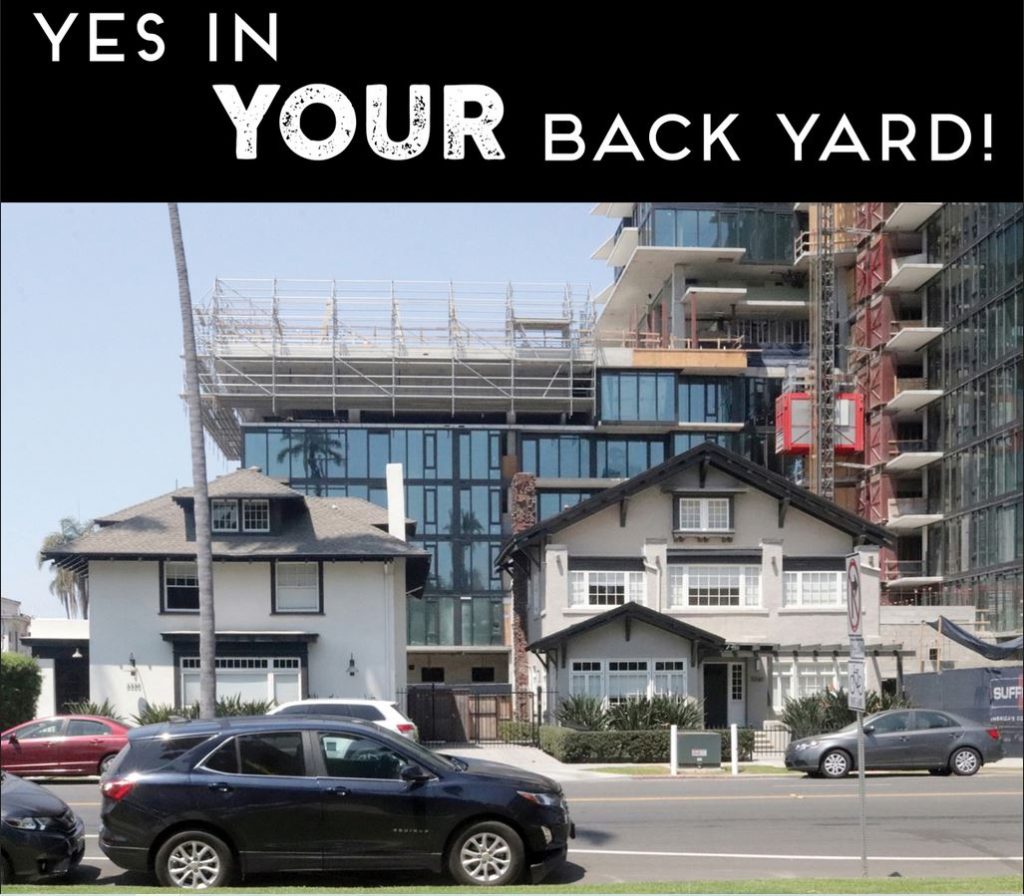
It so happens that despite everything else, San Diego’s coastal 30-foot height limit has been thrust back into the the public’s consciousness and into the minds of Mayor Gloria and the nine city councilmembers who all sit in City Hall.
Just this October, California’s 4th District Court of Appeal ruled that the City of San Diego violated California’s Environmental Quality Act, or CEQA, when it put Measure C — the initiative that aimed to eliminate the height limit in the Midway District — before voters on the 2022 ballot because the city did not sufficiently study the environmental impacts of taller buildings. The three-judge panel decision ruled in favor of plaintiff Save Our Access, and directed the trial court to issue a writ of mandate to invalidate the ordinance and restore the 30-foot height limit in the Midway District.
While some environmental activists were popping champagne bottles in celebration of the ruling, local developers, city council members and Mayor Gloria were wringing their hands because they immediately knew this court decision could have devastating implications for the massive redevelopment project called Midway Rising and its plans for 86-foot tall buildings in the Midway District. Ultimately, these folks did more than wring their hands — they made plans.
One month after the city lost this court appeal case, City Council members voted 6 to 2 in closed session to authorize a petition for review of the case to the Supreme Court of California. (Councilmembers Vivian Moreno and Raul Campillo were the ‘no’ votes, while Henry Foster was absent.) These city leaders want the state’s highest court to keep intact the ballot measure — which passed by only 51% — and allow the Midway Rising project to continue its redevelopment of the 1,324-acre Midway District.
It’s in this context then, that we must revisit the origins of the 30 foot height limit — and the 50 plus year fight to preserve it.
Afterall, the 30-foot height limit has been blamed for everything from the housing crisis to the lack of affordability at the coast, to the homeless situation. A lot of myths surround the measure and law, and some treat it as just a passing fancy of the seventies or as just another political initiative to be tossed aside by the changing winds.
They ignore — out of ignorance — that it was a citizen-driven measure and scores of volunteers — repeat, volunteers — gathered signatures for months and months, and in the end, collected 36,000 to place it on the 1972 ballot as Measure D. And it then passed overwhelmingly and decisively with 64% of the vote — it was a landslide. Nearly two-thirds of city voters voted “yes”. And it wasn’t just the coastal communities that voted for it – it was across the board – many neighborhoods went for it with the attitude, ‘they’re our beaches, too’. Ocean Beach and Pacific Beach voted for it by 80%.
The winning vote was immediately contested by the building industry.
 By Seth Hall /
 By Kate Callen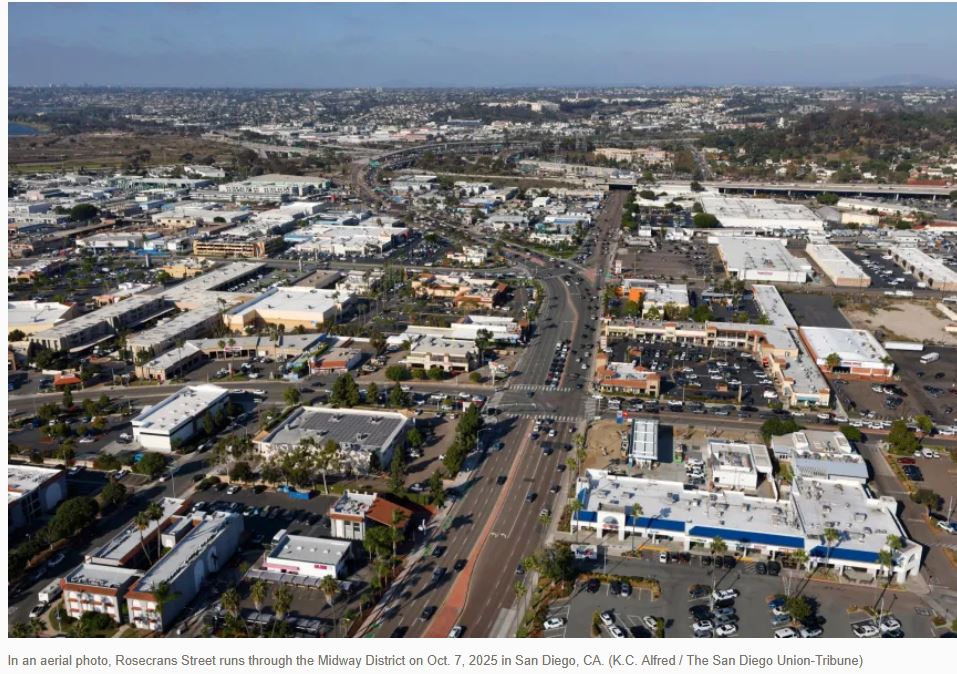
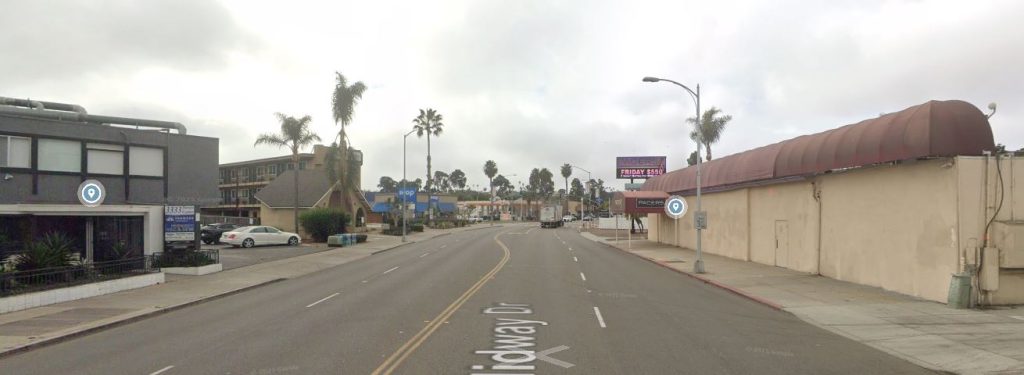 On Tuesday this week, the Rag reported on yet another pedestrian death in the Midway District.
 From
From  By Savannah Smith /
  Hundreds of Feet of Copper Wire Are Missing, for Example
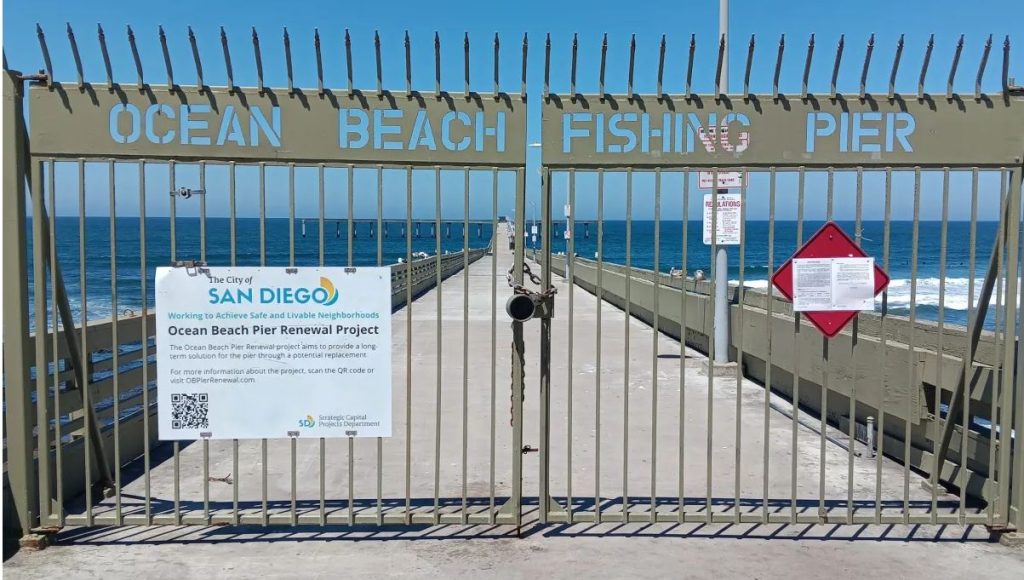
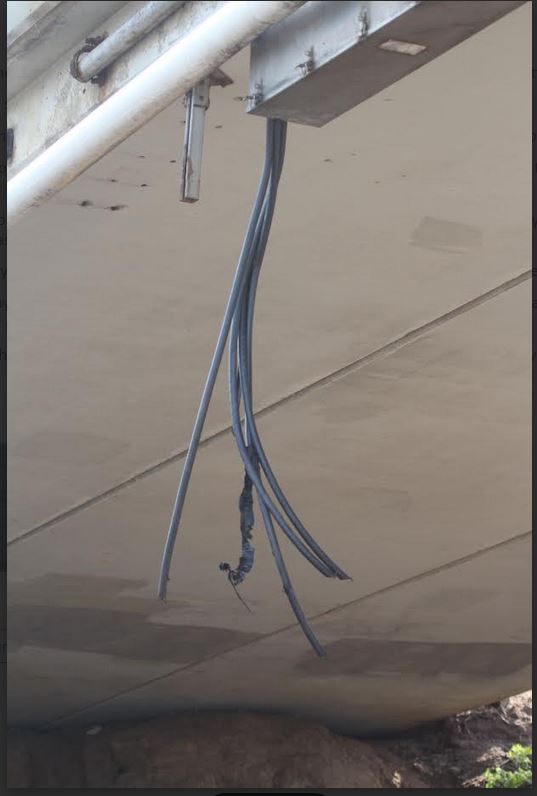 Since the pier is closed and since the city decided to no longer light the pier at night, it might be logical for the city to cut the power source. It did not seem logical, however, that the city would remove all of the old copper wire.
 By David Garrick /
 During the city council hearing Tuesday afternoon, November 18, a discussion was held about charging residents and non-residents for parking at San Diego beaches and at Mission Bay Park. Former city council member Donna Frye observed the hearing and participated by phone. She filed this exclusive report for the Rag this morning, the 19th.
 By John Ziebarth /
  by Kevin Sullivan /






Recent Comments