

Prop 45 Would Weaken Environmental and Public Health Protections By Fast Tracking Development Projects
 By Kathryn Burton
Proposition 45, on the ballot for the November 3 general election, would weaken critical environmental and public health protections currently in place by fast tracking development projects.
It would severely limit public participation in the process while making it easier for high polluting, corporate backed developers to poison our environment with no mechanism to fund cleanup. That would be left to the taxpayers. The nonpartisan California Legislative Analyst’s Office estimates that fast tracking polluting projects could cost taxpayers $100 million or more annually due to environmental harm and cleanup.
The California Environmental Quality Act currently requires state and local public agencies to identify, disclose, and minimize the potential negative environmental damage from proposed projects before approving them. It encourages public input on projects effecting the local community by exposing negative impacts. (For example, increased pollution, increased traffic, destruction of wildlife habitat.)
 by Amie Parnes and Julia Manchester /
  By Tammy Murga /
 By Kate Callen
 By Michael J. Stepner & Mary Lydon /
  A 23-year-old man died at the hospital after his motorcycle crashed into an SUV in the Sunset Cliffs area of Point Loma Wednesday afternoon, Sept. 16.
 By Debbie L. Sklar / Special to the OB Rag
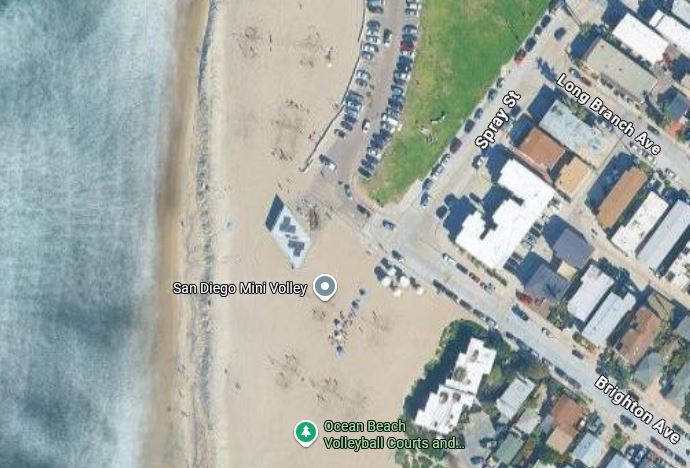 A body was found in the water off Ocean Beach shortly after midnight on Monday, September 14, authorities said.
 An Ocean Beach native by the name of Bryson is hospitalized after surviving a 45-foot fall from the top of a palm tree while trimming it at work Tuesday, Sept.8. He suffered more than 25 broken bones, including severe fractures to his femur, elbow, ankle, pelvis, wrist, nose and forehead, all on the right side of his body.
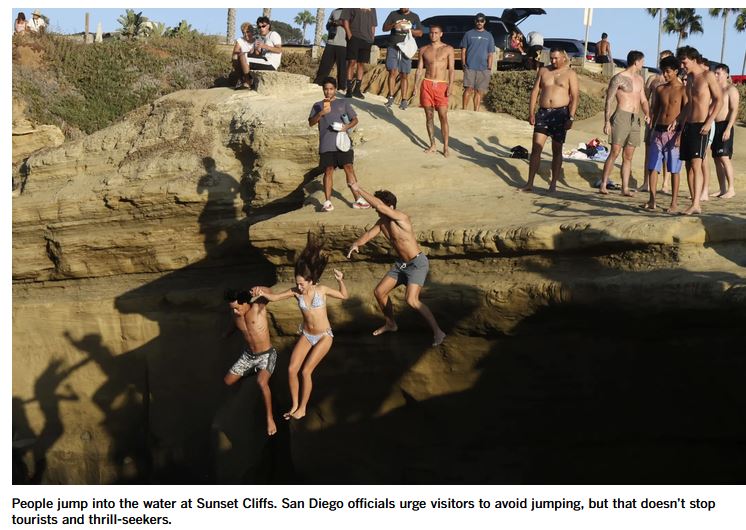 Reporter Interviews Editordude and Cites His Study, “Death and Distress at Sunset Cliffs”
 From
From 




Recent Comments