

What Is the War Powers Act?
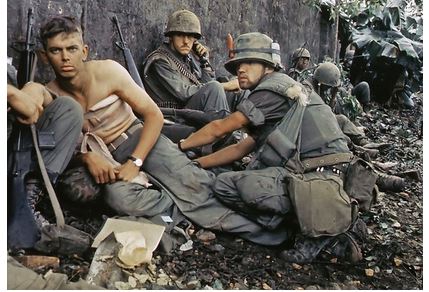 What is the War Powers Resolution? – History and Major Facts
The War Powers Resolution, also known as the War Powers Act of 1973, is a pivotal piece of U.S. federal legislation designed to reassert Congress’s authority in decisions concerning military engagements and to limit the U.S. president’s authority to commit American forces to armed conflict without congressional approval. .
It was passed in the wake of escalating concerns over the U.S. involvement in the Vietnam War and executive overreach in wartime decisions.
Although it became law over President Richard Nixon‘s veto, the resolution has sparked significant legal, political, and constitutional debates since its enactment
Understanding the War Powers Resolution requires exploring its historical context, its legislative framework, and how it has been applied and interpreted in the decades since its passage.
Historical Background
The roots of the War Powers Resolution can be traced back to growing frustration among members of Congress over the U.S. executive branch’s increasing control of military decisions, particularly during the Cold War.
The Vietnam War, which began as a limited U.S. advisory role, escalated into one of the most controversial and protracted military engagements in American history, despite the absence of a formal congressional declaration of war. This set the stage for Congress to take action to reassert its constitutional authority over war powers.
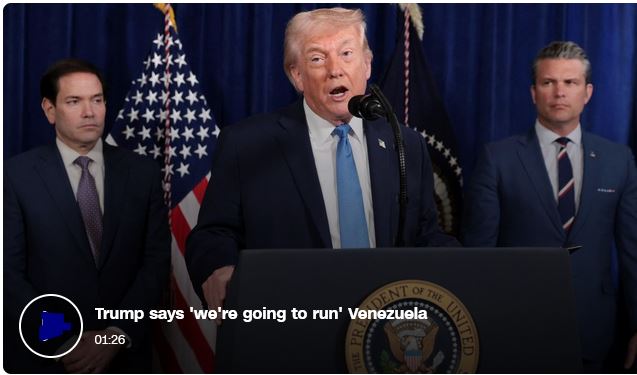 From
From 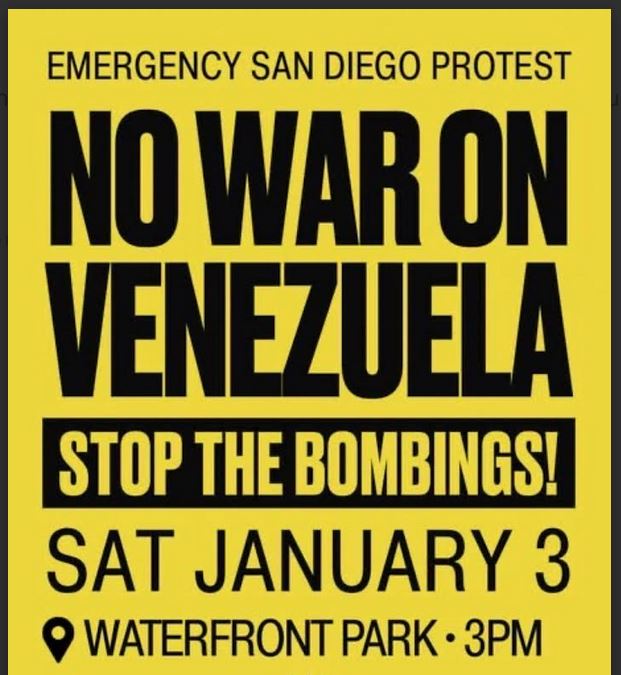 Several “No War on Venezuela” protests are being planned across the country today, after the US conducted a large-scale strike on the city of Caracas and captured Venezuelan President Nicolás Maduro.
 Meanwhile, In Congress
 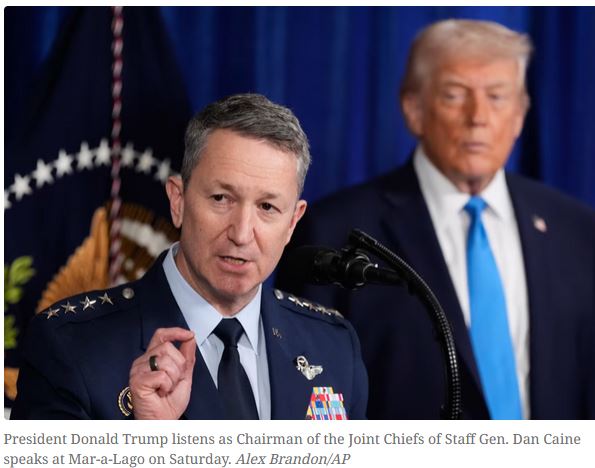 A day after the strikes on Venezuela and the kidnapping of its president by elements of the U.S. military, I guess we can now relax over any concerns that our military men and women wouldn’t follow illegal orders. For, the invasion of a sovereign country and the illegal abduction of its leader without Congressional approval (or even notice) by our army and navy are clearly illegal and against the Constitution.
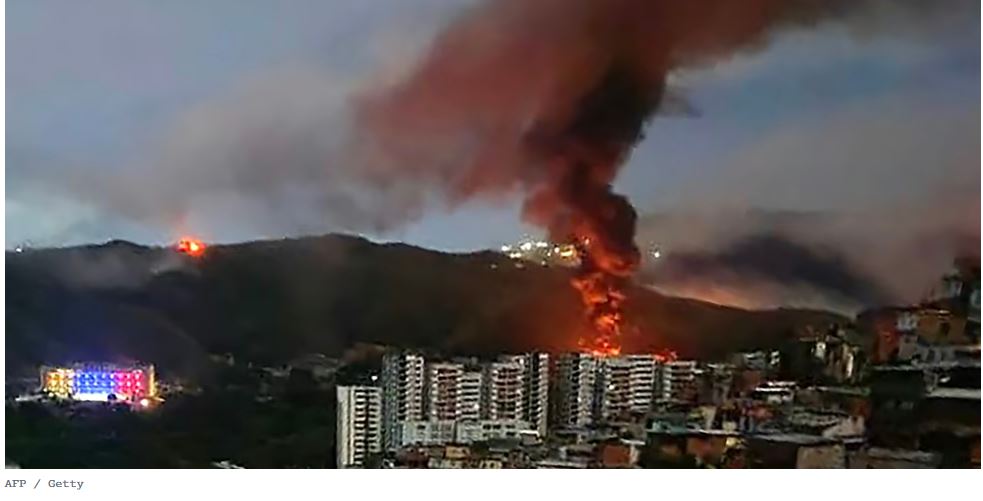 In a statement shortly after the US bombings, Maduro’s government accused Washington of an “extremely serious military aggression”.
 Early Saturday, January 3rd, the Trump regime conducted a blatant and illegal act of war against Venezuela by bombing civilian and military sites and illegally kidnapping Venezuelan President Nicolás Maduro and his wife.
 By Donna Frye
 By Kate Callen

 By Alex Cheney /
 By Erwin Chemerinsky /






Recent Comments