

San Diego’s ‘Hostile Architecture’ Reflects Our Hostile Nature and Disrespect for Public Space — So Much for a ‘Friendly City’
 by Calista Stocker / Times of San Diego / Dec. 16, 2025
In 2017, the Metropolitan Transit System spent $1.4 million upgrading bus stop benches throughout the county. In addition to improved water drainage and material updates, the new benches came with dividers, which their contractor refers to as “vagrant bars.”
That was a year after the city of San Diego raced to install jagged rocks downtown under Interstate 5 in time for the Major League Baseball All-Star Game at Petco Park, and five years before the Downtown Partnership built a controversial bike rack/bench designed to deter lying down.
These are all examples of what urban designers call “hostile architecture.” Commonly referred to as “anti-homeless architecture” or “defensive design,” the concept is used to describe public infrastructure design intended to subtly (or not so subtly) change behavior.
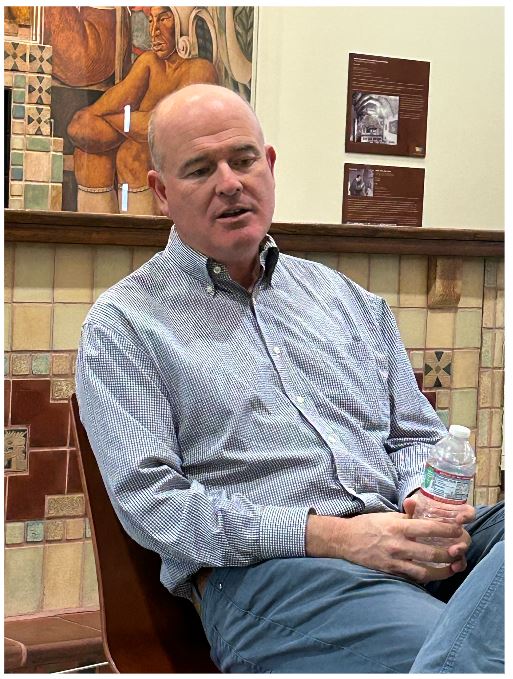
San Diego-based urban designer Howard Blackson argues that hostile architecture reflects the hostility of human nature.
 From
From 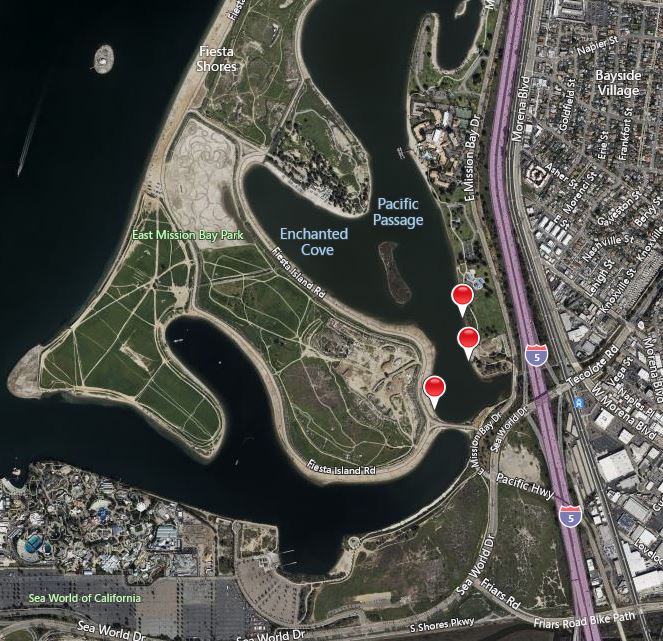 On Tuesday, Dec. 16, the San Diego County’s Department of Environmental Health and Quality closed sections of Mission Bay due to a sewage release. Tecolote Playground, Tecolote Shores and Fiesta Island North Entrance were closed — and the closures remain in effect Wednesday.
 By Paul Krueger
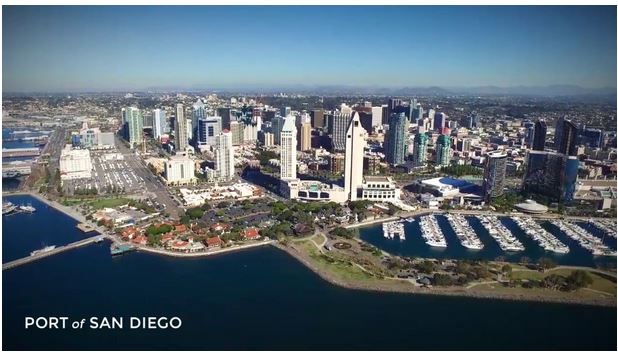 By Jennifer Van Grove /
 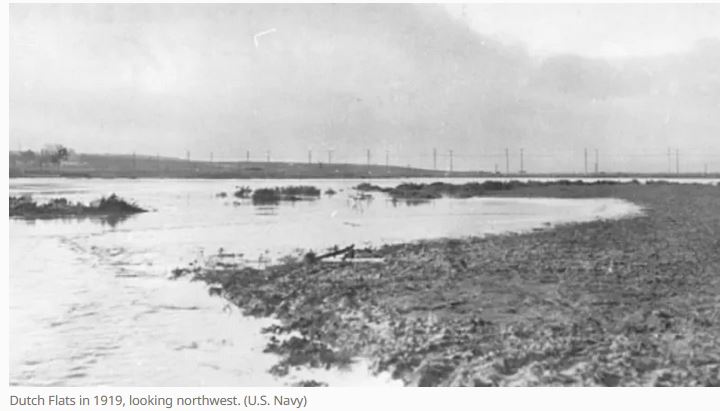 A sandy, muddy salt marsh is the reason San Diego is the West Coast home of the Marine Corps
 Town Hall Hosted by San Diego Community Coalition on Dec. 13
 By Alyssa Ray /
  By William Menard / Op-Ed
 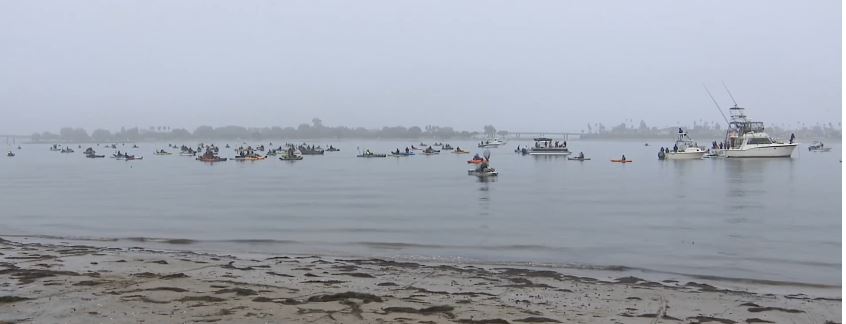 Friends and family of popular fisherman and YouTuber, Mikey Rijavec, came together Saturday, Dec. 13, to honor his memory after his body was found off the coast of Baja California, Mexico, in November this year.
 By Jillian Butler






Recent Comments