

Category: San Diego

Video of Arrest by SDPD in Southcrest Leads to Outrage and Calls for Investigation into Violation of Policy Against Excessive Force
 By Jeanette Quezada and Shelby Bremer / 7SanDiego / January 11-12, 2026
Video of San Diego police officers hitting a man as they arrested him in Southcrest over the weekend has led to an investigation.
The incident happened at 38th Street and National Avenue on Saturday night. Police and witnesses say a man blocked his ex’s car in with his own, and she called 911.
[Go to original for video.]
Aurora Morales, who lives across the street, said that she was inside her home when she heard what sounded like an argument between a man and a woman. When she looked out the window, she saw what appeared to be a man trying to hit the woman’s car window.
“It seemed like he wanted her to get out of the car,” Morales said.
She said she then heard the man telling the woman he was going to pull something out of the car. That’s when Morales saw the man grab what appeared to be an iron tool to break the window.
Witnesses say there were more than a dozen squad cars but just a few moments captured on video have now prompted an investigation.
There are concerns tonight from some people about the way San Diego police officers handled an arrest last night in Southcrest. Video shared on social media is prompting questions about whether the officers involved used “excessive force.” We do want to warn you, some may find the video graphic. NBC 7’s, Jeanette Quezada, talked with witnesses today about what happened.
OB Historical Society: San Diego Reader Stories by OB’s Mercy Baron — Thurs. Jan. 15
 Please join Ocean Beach Historical Society, for A View From My Trike, Thursday evening, January 15, 2026 at 7:00 pm, at Water’s Edge Community, 1894 Sunset Cliffs Blvd.
OBHS Board Member and talented writer Mercy Baron presents an engaging selection of her stories from the San Diego Reader.
This fun and lively presentation will kick off Ocean Beach Historical Society’s 32nd season of free monthly programs.

‘Save the whales’ worked for decades, but now gray whales are starving
 By David Helvarg / Op-Ed LA Times / Jan. 8, 2026
Recently, while sailing with friends on San Francisco Bay, I enjoyed the sight of harbor porpoises, cormorants, pelicans, seals and sea lions — and then the spouting plume and glistening back of a gray whale that gave me pause. Too many have been seen inside the bay recently.
California’s gray whales have been considered an environmental success story since the passage of the 1972 Marine Mammal Protection Act and 1986’s global ban on commercial whaling. They’re also a major tourist attraction during their annual 12,000-mile round-trip migration between the Arctic and their breeding lagoons in Baja California. In late winter and early spring — when they head back north and are closest to the shoreline, with the moms protecting the calves — they can be viewed not only from whale-watching boats but also from promontories along the California coast including Point Loma in San Diego, Point Lobos in Monterey and Bodega Head and Shelter Cove in Northern California.
In 1972, there were some 10,000 gray whales in the population on the eastern side of the Pacific. Generations of whaling all but eliminated the western population — leaving only about 150 alive today off of East Asia and Russia. Over the four decades following passage of the Marine Mammal Protection Act, the eastern whale numbers grew steadily to 27,000 by 2016, a hopeful story of protection leading to restoration. Then, unexpectedly over the last nine years, the eastern gray whale population has crashed, plummeting by more than half to 12,950, according to a recent report by the National Oceanic and Atmospheric Administration, the lowest numbers since the 1970s.
Today’s changing ocean and Arctic ice conditions linked to fossil-fuel-fired climate change are putting this species again at risk of extinction.
Is SANDAG Sharing Confidential Database With ICE?
 By Gustavo Solis / KPBS / Jan. 12, 2026
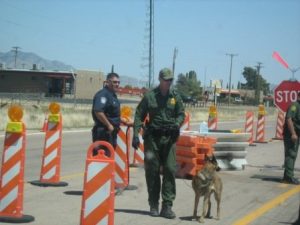
Local privacy advocates are raising concerns about an obscure database managed by the San Diego Association of Governments (SANDAG) that might be allowing President Donald Trump’s deportation forces to circumvent state and local immigrant sanctuary laws.
For an annual fee of roughly $200,000 SANDAG grants immigration enforcement agencies, including Customs and Border Protection (CBP), access to the database, which is known as ARJIS.
The database contains information from every law enforcement agency in San Diego County — which includes traffic citations, arrest records, field interviews, a local jail census and some driver license records.
Local police agencies have shared data with their federal counterparts through ARJIS for decades. But now, the Trump administration’s aggressive immigration enforcement tactics are raising new questions about what exactly is being shared with the federal government.
“It is not always great to share data because sometimes you don’t know what the motivations of those people might be,” said Seth Hall, a privacy advocate with the TRUST SD Coalition.
An Open Letter to the San Diego City Council’s Land Use and Housing Committee

The Committee to Consider Dumping OB’s Historic District Should Use Current Housing Data Before Making Decision
By South OB Girl
Dear Land Use and Housing Committee Members:
San Diego’s Historic Preservation and Progress Package A will be brought before you by city staff on Wednesday, January 14 for your consideration. However, this package involves controversial proposals regarding preserving the city’s historic housing ideals and districts, yet current housing data is not available. Decisions about San Diego housing should be delayed until the housing data for 2025 has been prepared and analyzed in the forthcoming 2026 Annual Report on Homes.
A report issued once a year based on data from a full year prior does not seem sufficient for assessing the current housing crisis nor sufficient information for
government officials to make decisions about housing moving forward into this year.
This annual reporting seems particularly insufficient given the escalation of public concern and opposition in the past year regarding ADUs, high density projects, plans for resiliency, evacuation route safety, Complete Communities Housing, and Preservation and Progress Package A, among other issues. Given this escalation of public concern in recent years and some of the concern expressed in this letter, now would also be a good time to consider how San Diego’s housing data and building permit data is tracked, managed, and evaluated.
Bonus Density Programs Reinforce Historic Segregationist Patterns
 By Rob Campbell / Op-Ed SD Union-Tribune / Jan. 9, 2026
“Bonus programs delivering needed local housing,” the Dec. 28 commentary by Colin Parent, presents bonus density programs as a success story but ignores the most critical issue in San Diego’s housing crisis. Who is bearing the burden of these bonus “solutions”? [Parent is head of pro-developers group, Circulate SD.]
While the author characterized San Diego’s bonus housing density programs as an elegant workaround to “political gridlock,” they have created a system that strategically targets low-resource, infrastructure-deficient, historically marginalized neighborhoods while leaving the city’s Whitest, wealthiest, highest-opportunity areas functionally untouched.
Ignoring this reality turns the argument into a one-sided celebration of YIMBY (yes in my backyard) production numbers, which are detached from actual equity outcomes the city is legally and morally obligated to comply with.
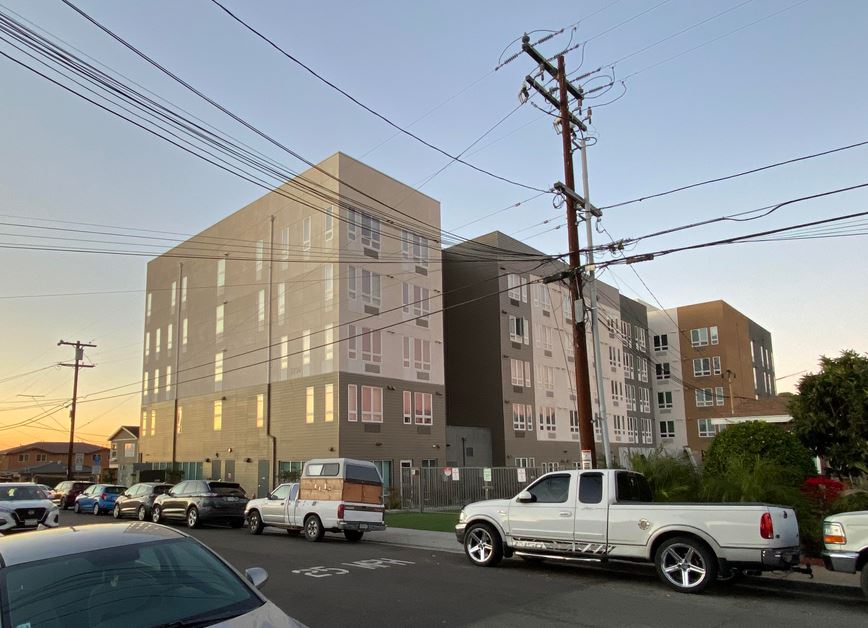
A claim that the bonus density programs “apply everywhere” is misleading at best. In practice, these programs overwhelmingly land in communities of color in neighborhoods like Valencia Park, Lincoln Park, Chollas View, City Heights, Logan Heights, etc. These are the very same areas that have higher asthma, cancer, and cardiovascular disease burdens; worse mobility with old, non-ADA compliant pathways (sidewalks); fewer jobs; and long-standing histories of redlining, freeway construction and environmental racism.
San Diego Community Coalition Bulletin: This Week at City Hall
 The San Diego Community Coalition publishes this email bulletin to keep our members informed about important Council and Planning Commission hearings. City Hall reopens this week after a 3-week legislative recess for the holidays.
First, a word about Balboa Park parking fees and non-agenda public comment:
The outrageous new fees to park in Balboa Park are on the City Council’s political front burner right now. But they aren’t on any of the Council’s agendas this week – which means the public can raise that issue during the non-agenda public comment at every Council meeting.
Council President Joe La Cava, who strongly supported the new fees, needs to hear a loud message from a lot of constituents: City Hall must live within its means. Stop spending money irresponsibly and then demanding that taxpayers cover your losses. La Cava won’t like having his meetings slowed down by non-agenda comments on Park fees. But he can’t interfere with our right to make those comments.
Monday, January 12: City Council, 2:00 p.m.
Items include: Public Utilities FY 2027-2031 Five-Year Financial Outlook
Why it matters: Last year, the Council fought over a proposal to increase water rates by 63% through 2029 and wastewater rates by 31% in the same period. The final 5-4 vote approved less draconian hikes of 14.7% and 14.5%. A year later, public furor over bait-and-switch trash fees and erratic Balboa Park parking fees will make utility rate hikes even more contentious.
City says: Environmental Impacts Are ‘Significant, Unmitigated, Unavoidable but Acceptable’ — College Area and Clairemont Community Plan Updates at City Council on January 13
 By Donna Frye
On Tuesday, January 13, the city council will vote for a second time on the College Area Community Plan Update (Item 64) and the Clairemont Community Plan Update (Item 65) and associated rezoning actions for both. They items are on the consent agenda so unless a city councilmember asks for them to be pulled for discussion, there won’t be any further council discussion on either item because they are “considered to be routine and the environmental documents have been considered.”
The public, however, may provide comment on any item on the agenda, including the consent agenda.
The council previously heard both plan updates on December 16, 2025 and a council majority approved them despite community concerns about the environmental impacts from the increased density and intensity. Councilmember Campillo voted against approving the College Area Community Plan Update in support of the community concerns and Council President LaCava voted against the Clairemont Community Plan Update because he believed it was a missed opportunity to provide even more density.
The College Area Community Planning Board even proposed their own plan called the “7 Visions Plan” but that was never considered as part of any meaningful environmental analysis.
Photos of San Diego’s Weekend Protests Over ICE Murder of Renee Good
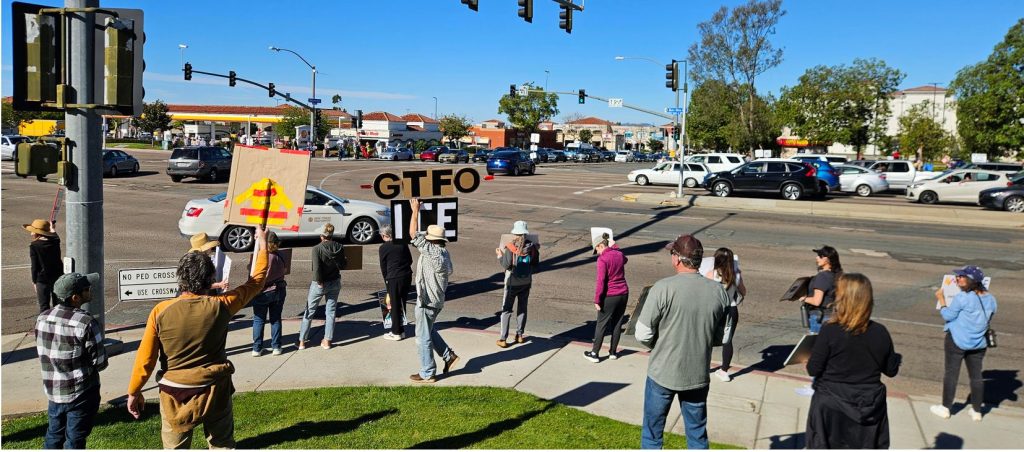
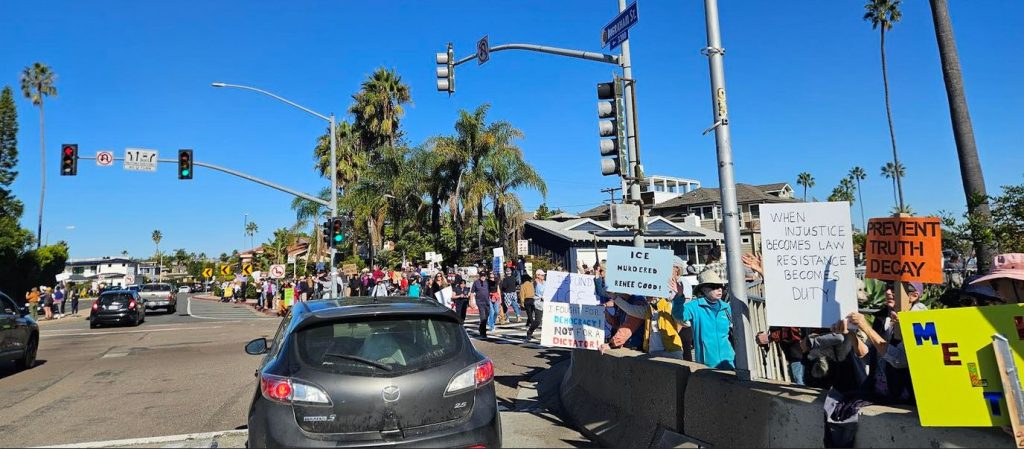 Here are some pics from today’s events.
Pacific Beach Saturday, Jan. 10

ICE and Border Patrol shootings spark hundreds of weekend vigils and protests across America
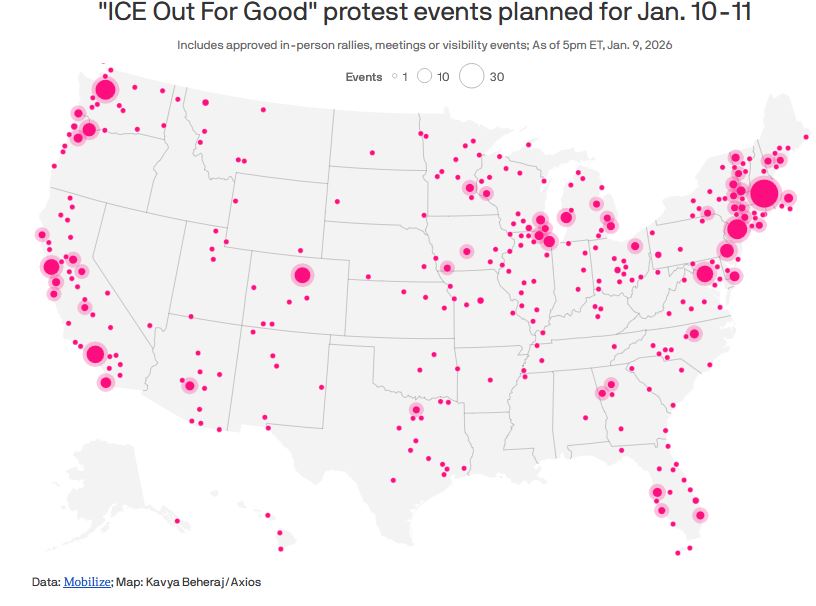 Nearly 600 Events Planned as of Friday Evening
By April Rubin / Axios / January 9, 2026
ICE Out For Good” vigils and protest events were quickly planned nationwide for Jan. 10 and 11 in response to a fatal shooting by immigration officers in Minneapolis, organizers told Axios on Friday.
Why it matters: The killing and a subsequent Border Patrol shooting in Portland have sparked outrage and anger at the Trump administration, which has defended its agents.
Driving the news: There have been at least seven officer-involved shootings since President Trump ramped up Homeland Security operations in early 2025.
On Wednesday, 37-year-old Renee Nicole Good was fatally shot by an ICE agent in Minneapolis as she drove past immigration agents. The Trump administration claimed the shooting was an act of self-defense as Good drove away, but Minneapolis Mayor Jacob Frey has rejected that claim.
On Thursday, two people were shot by Border Patrol agents in Portland during what officials said was “a targeted vehicle stop.” Both were hospitalized.
State of play: Protests, vigils and other “ICE Out For Good” events are being held by groups including Indivisible, 50501, the Disappeared in America Campaign, Voto Latino and the American Civil Liberties Union. The mobilization is meant to humanize ICE victims and demand accountability.
Here’s List of Multiple Rallies Around San Diego County this Weekend to Protest ICE and Killing of Renee Good — UPDATED
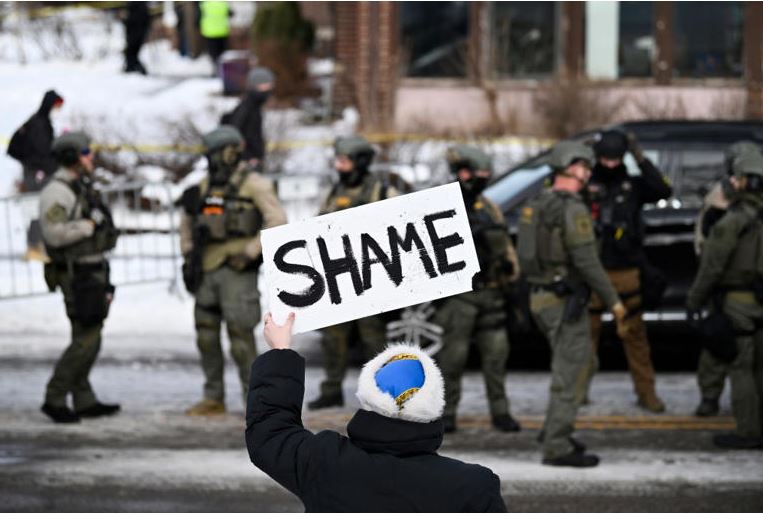
14 Events Planned for San Diego County So Far
Please see inside for information regarding rallies around the San Diego area this weekend, in response to the killing of Rene Good this past Wednesday, January 7th.
In response to the murder of Rene Good, a Minneapolis woman killed by federal immigration agents on Wednesday, Jan. 7, residents across San Diego are coming together to protest the increasing use of violent tactics by these agencies and demand that ICE and related agencies “get out.”
“What Americans witnessed this week with the killing of Rene Good by a federal law enforcement official was yet another brazen escalation against the American people,” said Richard C., an organizer with 50501 North County San Diego.
Multiple rallies will be held across San Diego in memory of Rene Good and others who have lost their lives as a result of federal immigration enforcement, and to demand accountability for federal agents’ violent and lawless behavior.
RALLY DETAILS INSIDE:







Recent Comments