

SanDiegoVille: Know Your Rights — ICE Raids and San Diego’s Restaurant Industry
 From SanDiegoVille / February 20, 2025
San Diego’s restaurant industry is facing increased scrutiny as Immigration and Customs Enforcement (ICE) intensifies its raids, bringing the city’s role as both a border town and a sanctuary city into sharp focus. With federal immigration enforcement at odds with California’s protective policies, local restaurant owners and workers must understand their legal rights to safeguard their businesses and employees. In a climate of heightened immigration enforcement, knowing what ICE can and cannot do is critical for navigating this evolving landscape.
San Diego, a vibrant border town and one of California’s sanctuary cities, is experiencing a surge in ICE activity, stirring concern among its diverse communities. As a key player in the U.S.-Mexico border region, San Diego County has seen heightened enforcement efforts under the Trump administration’s immigration crackdown, with over 7,500 undocumented immigrants arrested nationwide since the administration took office (local numbers are unknown). For the city’s restaurant industry – where immigrants of all statuses comprise a significant portion of the workforce – this escalation poses unique challenges.
 by Ernie McCray
 By Brae Canlen
 Juicy Burgers has hit the ground running in the Midway District and want to become your go-to spot if you like burgers with a modernistic or Southeast Asian twist.
 A San Diego City Council committee wants to lower speed limits on a number of commercial streets, including Newport Avenue.
 By Colleen O’Connor
 by Ashleigh Fields /
  The point is not to deprive the government of funds. It’s to expose the regime’s criminality
 Moves to Bolster Country’s Sovereignty Against Trump’s Threats to Invade Under Guise of Attacking Cartels
 By Jessica Piper /
 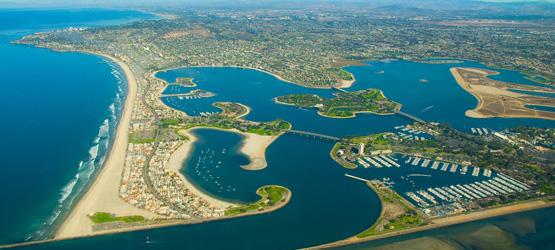 Coastkeeper just released its first annual Mission Bay Water Quality Monitoring Report, which presents a year’s worth of data showing elevated bacteria, copper, and phosphorus levels, often exceeding state water safety standards. It highlights the myriad of sources—some unique, others are the usual suspects—and ultimately underscores the need for more effective mitigation to reduce the risk to public health and the environment. The following is from SD Coastkeeper:




Recent Comments